
Журнал «Травма» Том 27, №2, 2026
Вернуться к номеру
Сучасні технології лікування пацієнтів з поєднаними переломами ключиці та ребер
Авторы: Бур’янов О.А. (1), Кваша В.П. (1), Кравчук М.В. (1), Мясніков Д.В. (1), Дебич А.П. (2)
(1) - Національний медичний університет імені О.О. Богомольця, м. Київ, Україна
(2) - Київська клінічна лікарня на залізничному транспорті № 1, м. Київ, Україна
Рубрики: Травматология и ортопедия
Разделы: Клинические исследования
Версия для печати
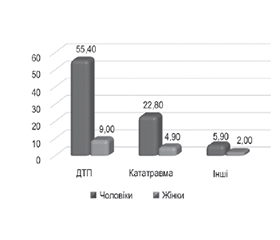
Актуальність. Серед постраждалих з множинними травмами приблизно 50 % мають ушкодження грудної клітки, що суттєво впливає на результати лікування та виживаність. У пацієнтів із множинними травмами, які отримали тупу травму грудної клітки, найбільш поширеними ушкодженнями є переломи ребер (86 %), ключиці/ключиць (19 %) або їх комбінації (19 %). Переломи ключиці та ребер вважаються маркерами тяжкості травми грудної клітки, а їх поєднання суттєво підвищують рівень летальності. За результатами аналізу джерел літератури встановлено, що у пацієнтів із тупою травмою грудної клітки та супутніми переломами ключиці не виявлено суттєвих відмінностей між оперативним і консервативним лікуванням переломів ключиці, проте деякі дослідження вказують на значний вплив стабілізації ключиці на кінцеві результати лікування. Мета: поліпшити результати лікування пацієнтів з поєднаними переломами ключиці та ребер шляхом обґрунтування та впровадження сучасних технологій та диференційованої тактики надання допомоги. Матеріали та методи. Клінічне дослідження базується на обстеженні та лікуванні 101 пацієнта з поєднаними переломами ключиці та ребер. Середній вік учасників становив 48,7 ± 16,4 року. Постраждалі були розподілені на дві групи: основна — 48 осіб, порівняльна — 53. Результати. Серед учасників з поєднаними переломами ключиці та ребер переважали постраждалі чоловічої статі — 85 осіб (84,2 %), жіночої — 16 (15,8 %). Середня кількісна характеристика ушкоджених ребер становить 4,2 ± 1,5 на одного постраждалого. В осіб віком 61 рік і старше цей показник суттєво вищий (5,5 ± 1,4), що можна пояснити віковою втратою еластичності даних структур. За питомою вагою переважають переломи середньої третини ключиці — близько 74,0 %; акроміального кінця — 20,6 %; грудинного — 5,4 %. Післятравматична пневмонія серед пацієнтів основної групи констатована в 31,3 % випадків, у порівняльній — 39,6 %. Представники основної групи мали статистично доведені (р ≤ 0,05) кращі показники застосування штучної вентиляції легень та терміну перебування у відділенні інтенсивної терапії. Летальність в основній групі становила 4,2 %, в порівняльній — 7,5 %. Дані особи мали два домінантних конкуруючих ушкодження: травма грудної клітки та черепно-мозкова травма, що зумовило тяжкий або вкрай тяжкий загальний стан. Висновки. Поєднані переломи ключиці та ребер частіше зустрічаються у чоловіків (84,2 %) у віковому діапазоні 31–50 років (50,5 %). Середня кількісна характеристика ушкоджених ребер становить 4,2 ± 1,5 на одного постраждалого. В осіб віком 61 рік і старше цей показник суттєво більший (5,5 ± 1,4). За локалізацією серед переломів ключиці переважають переломи середньої третини — близько 74,0 %. Серед супутніх ушкоджень превалюють черепно-мозкові травми — 23,8 % (серед яких відкрита — 41,7 %), які є конкуруючими домінантними ушкодженнями і суттєво погіршують загальний стан пацієнта, впливають на тактику лікування та показники летальності. Хірургічна стабілізація ключиці та ребер та активна легенева гігієна дозволяють покращити показники післятравматичної пневмонії (31,3 % випадків проти 39,6 %), зменшити потребу в штучній вентиляції легень (10,6 ± 8,4 проти 16,7 ± 7,9), термін перебування у відділенні інтенсивної терапії (14,6 ± 10,6 проти 23,6 ± 10,2 дня) та показники летальності (4,2–7,5 %), а також відновити функцію плечових суглобів (оцінка за American Shoulder and Elbow Surgeons score 98,8 ± 2,8 проти 83,0 ± 11,7 бала; Shoulder Pain and Disability Index становив 2,0 ± 3,2 проти 20,7 ± 22,3 бала).
Background. Among patients with multiple injuries, approximately 50 % have chest trauma, which significantly affects treatment outcomes and survival rates. In patients with multiple injuries who have suffered blunt chest trauma, the most common injuries are rib fractures (86 %), clavicle/clavicle fractures (19 %), or a combination of these (19 %). Clavicle and rib fractures are considered markers of chest injury severity, and their combination significantly increases mortality. According to some authors, in patients with blunt chest trauma and concomitant clavicle fractures, no differences were found between surgical and conservative treatment of clavicle fractures, while others point to a significant impact of clavicle stabilization on the final outcomes. The purpose was to improve treatment outcomes in patients with combined clavicle and rib fractures by substantiating and implementing modern technologies and differentiated care. Materials and methods. The clinical study is based on the examination and treatment of 101 patients with combined clavicle and rib fractures. Their average age was 48.7 ± 16.4 years. Patients were divided into two groups: the main (n = 48) and comparison ones (n = 53). Results. In the total cohort, males prevailed (n = 85, 84.2 % versus 16 females (15.8 %)). The average number of damaged ribs was 4.2 ± 1.5 per patient. In patients aged 61 and older, this indicator is significantly higher (5.5 ± 1.4), which can be explained by age-related loss of elasticity of these structures. In terms of specific weight, fractures of the middle third of the clavicle predominate — about 74.0 %; fractures of the acromial end accounted for 20.6 %, of the sternal end — 5.4 %. Post-traumatic pneumonia was found in 31.3 % of cases in the main group, in the comparison group — in 39.6 %. Patients in the main group had statistically proven (p ≤ 0.05) better indicators for artificial lung ventilation and length of stay in the intensive care unit. Mortality in the main group was 4.2 %, in the comparison one — 7.5 %. These patients had two dominant competing injuries: chest trauma and traumatic brain injury, which caused severe or extremely severe general condition. Conclusions. Combined clavicle and rib fractures are more common in men (84.2 %) in the 31–50 age group (50.5 %). The average number of damaged ribs is 4.2 ± 1.5 per patient. In patients aged 61 and older, this indicator is significantly higher (5.5 ± 1.4). In terms of location, fractures of the middle third of the clavicle prevail — about 74.0 %. Among concomitant injuries, traumatic brain injuries predominate — 23.8 % (of which 41.7 % are open), which are competing dominant injuries, significantly worsen the general condition of the patient, affect treatment tactics and mortality rates. Surgical stabilization of the clavicle and ribs and active pulmonary hygiene improve the rate of post-traumatic pneumonia (31.3 vs. 39.6 % of cases), the need for artificial lung ventilation (10.6 ± 8.4 vs. 16.7 ± 7.9), reduce the length of stay in the intensive care unit (14.6 ± 10.6 vs. 23.6 ± 10.2) and mortality rates (4.2–7.5 %), and restores shoulder joint function (according to American Shoulder and Elbow Surgeons score: 98.8 ± 2.8 points vs. 83.0 ± 11.7 points; Shoulder Pain and Disability Index was 2.0 ± 3.2 points vs. 20.7 ± 22.3 points).
політравма; поєднані переломи ключиці та ребер; консервативне лікування; остеосинтез
polytrauma; combined clavicle and rib fractures; conservative treatment; osteosynthesis